Waterproofing is one of the least glamorous aspects of maintaining a Dubai home. Nobody calls to show off their new bathroom membrane the way they might share a renovation photo. But waterproofing failures — discovered months or years after they first begin — are among the most expensive and disruptive repairs a Dubai property owner ever faces.
A roof waterproofing failure in a top-floor apartment can cause water damage to false ceilings, electrical fittings, and flooring — often in the apartment below as well as your own. A bathroom waterproofing failure behind tiles can silently saturate the wall structure for two years before anyone sees a damp patch. By then, the tile, adhesive, plaster, and substrate all need replacing.
This guide explains what waterproofing is, which surfaces in a Dubai home need it, which methods work best for each application, what it realistically costs in 2026, and what the most expensive mistakes look like — so you can avoid them.
What Is Waterproofing and Why Does Dubai Make It Harder?
Waterproofing is the process of making a surface resistant to the penetration of water — either liquid water or water vapour. In construction, this typically involves applying a membrane, coating, or sealant to a surface before finishing materials (tiles, screed, render, or paint) are applied on top.
The waterproofing layer acts as a barrier. If it is correctly specified, correctly applied, and maintained in an intact condition, water simply cannot get through — regardless of what happens on the surface above it.
Dubai creates specific challenges for waterproofing that do not exist in most other climates:
Extreme UV exposure. Bitumen-based and some polymer membranes used on roofs and terraces degrade significantly faster in Dubai’s ultraviolet radiation than in northern European conditions. A membrane rated for 15 years in the UK may need inspection at 7–8 years in Dubai.
Thermal expansion and contraction. Dubai’s summer surface temperatures on roofs and south-facing walls exceed 70°C. The daily and seasonal temperature cycling causes building materials to expand and contract, which stresses waterproofing membranes at joints, overlaps, and penetration points — the locations where failure most commonly starts.
Hard desalinated water. Dubai’s water supply is highly mineralised. In wet areas, mineral scale deposits build up on grouting, silicone seals, and junction points between tiles and fittings — and they can hide or accelerate early waterproofing failures.
Construction density and age. A significant proportion of Dubai’s apartment stock is now 10–20 years old. Original waterproofing systems in these buildings are approaching or past their expected service lives, and a growing number of properties are experiencing waterproofing-related problems for the first time.
Understanding these factors matters because it affects both which waterproofing systems are appropriate for Dubai applications and how frequently they need to be inspected.
Which Surfaces in a Dubai Home Need Waterproofing?
Not every surface in a home requires waterproofing — but several do, and getting this wrong is expensive. Here is a surface-by-surface guide:
1. Bathroom Floors and Wet Area Floors
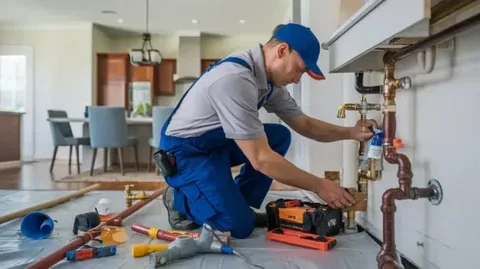
This is the most common location for waterproofing failure in Dubai apartments. Before any bathroom tiles are laid, the floor slab and the lower sections of walls — typically to a height of 300mm above the floor on all walls, and higher in shower enclosures — must be covered with a waterproofing membrane.
When bathroom tiles crack, when grouting fails, or when silicone seals around fittings deteriorate, water penetrates through to the waterproofing layer below. If that layer is intact, the water is contained. If it has failed — or if it was never applied correctly — the water enters the floor slab, migrates through the structure, and eventually appears as damp patches, staining, or paint failure in the ceiling or walls of the room below.
In many Dubai apartments, this migration goes undetected for a long time because the room below is a living room or bedroom where the occupant sees only a faint yellowish stain and assumes it is a roof issue. It is very often a bathroom floor waterproofing failure one or two floors above.
2. Shower Enclosures and Wet Room Walls
Shower areas receive daily heavy water exposure at pressure. The waterproofing membrane here needs to extend fully from the floor up to at least 1800mm on all shower walls, with particular attention to the corners and the junction where the wall meets the floor — the two points where waterproofing failures occur most frequently.
Tiles alone are not waterproof. Tile adhesive is not waterproof. Standard cement-based grout is not waterproof. The waterproofing function is performed entirely by the membrane layer beneath the tiles — which is why grouting and silicone maintenance (keeping these junctions sealed) is not cosmetic but functional.
3. Balconies and Terraces
Balconies in Dubai are exposed to rain events, condensation, and cleaning water. Without proper waterproofing, water penetrates through balcony floor tile junctions and enters the concrete slab. Over time, this causes carbonation and eventual reinforcement corrosion — the reddish-brown staining and spalling of concrete seen on the underside of older balconies across Dubai.
Balcony waterproofing is particularly important on floors above occupied outdoor spaces or other units. A failed balcony membrane does not just damage your own property — it can cause water damage to the apartment below.
4. Roofs and Roof Terraces
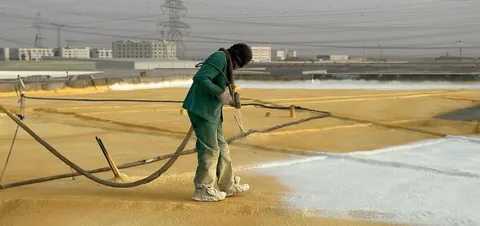
Roof waterproofing protects the entire building structure from the most significant source of water penetration — rainfall and humidity from above. In Dubai’s high-density apartment stock, a failed roof membrane affects every apartment below it, not just the top floor.
Roof membranes are also the most exposed waterproofing surface in terms of UV radiation and thermal cycling, making them the most frequently failing waterproofing application in older Dubai buildings.
5. Planter Boxes and Landscape Features
Rooftop gardens, podium planters, and landscape features in Dubai compounds require specialist waterproofing systems because they are subjected to constant moisture from irrigation, plant root penetration, and the additional load of growing medium. Failed planter waterproofing is a common cause of water damage in the carparks and common areas below podium-level gardens.
6. External Walls (Facade Waterproofing)
High-rise buildings in Dubai apply a waterproofing or water-repellent coating to external facades to prevent moisture ingress through the wall cladding or render during rain and dust-storm events. When this fails — typically at window and door penetrations, at external joints, or at areas where the render has cracked — moisture enters the wall structure and appears internally as damp patches on external-facing walls.
Waterproofing Methods Used in Dubai
Different applications require different waterproofing systems. Here is a guide to the main types used in Dubai and where each is most appropriate:
Cementitious Waterproofing
A cement-based slurry or coating mixed with waterproofing additives, applied directly to the substrate. Simple to apply, bonds well to concrete and masonry, and is highly compatible with tile adhesives applied on top.
Best for: Wet room floors and lower walls in bathrooms. Internal wet areas where movement is limited. Water tanks.
Limitations: Rigid — does not accommodate structural movement. Not suitable for areas subject to thermal cycling or movement joints. Not recommended for roofs or balconies as a primary membrane.
Typical cost in Dubai: AED 25–45 per sqm, materials and labour.
Liquid Applied Membranes (Polyurethane / Polyurea / Acrylic)
Brush or roller applied liquid products that cure to form a seamless, flexible membrane. The flexibility is the key advantage — these membranes can accommodate the thermal movement Dubai building structures experience without cracking. Polyurethane membranes are among the most commonly specified products for balconies and terraces in Dubai.
Best for: Balconies, terraces, wet rooms, roofs, and areas subject to thermal movement. Excellent for complex shapes and penetrations because the liquid conforms to any geometry.
Limitations: Application is sensitive to substrate moisture and temperature. Application during peak summer heat requires careful timing. Some products require a UV-protective overcoat on exposed surfaces.
Typical cost in Dubai: AED 40–80 per sqm for balconies and roofs, depending on membrane thickness specified.
Sheet Membranes (Torch-On Bitumen, Self-Adhesive)
Prefabricated sheets of bitumen compound or polymer, applied by heat (torch-on) or pressure (self-adhesive). Torch-on bitumen membranes have been standard for Dubai roofs for decades. Modern versions include polyester or fibreglass reinforcement for added durability.
Best for: Roofs, roof terraces, large flat surfaces. The factory-controlled thickness is an advantage over site-applied liquid membranes.
Limitations: Joints and laps between sheets are the primary failure points. In Dubai’s UV environment, exposed torch-on membranes require a UV-reflective coating or protection layer (pavers, screed) to reach their rated service life. Torch application carries fire risk and is not appropriate for some locations.
Typical cost in Dubai: AED 35–75 per sqm for torch-on systems including protective coating.
Crystalline Waterproofing
A chemical system where the active agents penetrate into the concrete substrate and crystallise within the pores and microcracks, blocking water pathways from within the material. Unlike surface-applied membranes, crystalline systems become part of the structure itself and self-seal minor new cracks as they develop.
Best for: Water tanks, swimming pool structures, concrete below ground level, and situations where applying a surface membrane is not practical. Used in new construction in Dubai for basement slabs.
Typical cost in Dubai: AED 50–90 per sqm, higher than conventional surface membranes but appropriate where long-term reliability in a structural application is required.
Injection Grouting
Used for active leak repair — stopping water ingress through existing cracks, joints, or penetrations in concrete structures. Polyurethane or epoxy resin is injected under pressure into the crack, where it expands and cures to seal the water pathway.
Best for: Reactive repair of active leaks in concrete — particularly useful for car parks, basements, and water tanks in Dubai buildings.
This is repair, not preventative waterproofing — the underlying cause of the crack or joint movement should also be addressed.
Waterproofing Costs in Dubai 2026: A Realistic Guide
The following figures reflect professional supply and application in 2026, including surface preparation, materials, and labour. DIY application of waterproofing products is possible for small areas but rarely achieves the standard required for long-term performance.
| Application | Method | Cost Per Sqm (AED) | Typical Total for Average Property |
|---|---|---|---|
| Bathroom floor (wet area) | Cementitious | 25–45 | AED 600–1,500 per bathroom |
| Shower enclosure (walls + floor) | Liquid applied | 40–70 | AED 1,200–2,800 per shower |
| Balcony (residential) | Polyurethane liquid | 45–85 | AED 1,500–4,000 per balcony |
| Roof (apartment building, per unit share) | Torch-on + protection | 50–90 | AED 3,000–12,000+ (complex) |
| External facade (villa) | Render + waterproof coating | 35–70 | AED 8,000–25,000+ |
| Planter waterproofing | Specialist system | 80–150 | Varies significantly |
Cost factors that increase the price:
- Removing existing tiles to access failed membrane (AED 20–40 per sqm additional)
- Repairing concrete damage found during strip-out
- Difficult access requiring scaffolding
- Premium membrane products specified by building engineer
The Most Expensive Waterproofing Mistakes in Dubai
Applying Waterproofing Over Existing Tiles
When bathroom tiles show signs of moisture ingress — hollow tiles, lifting edges, damp patches — a common mistake is to apply a sealant or waterproofing coat over the existing tile surface and regrout. This does not work. The waterproofing membrane must be applied to the substrate beneath the tiles. Applying product over tiles addresses the surface, not the barrier layer.
The only correct fix for a failed bathroom waterproofing membrane is to remove the tiles, apply a new membrane to the substrate, allow it to cure, and then retile. It is disruptive and more expensive than a surface treatment — but it is the only approach that actually solves the problem.
Skipping Waterproofing to Save Cost During Renovation
When a Dubai homeowner renovates a bathroom, the temptation to skip or reduce the waterproofing application to save AED 1,000–2,000 is understandable. The cost of fixing a failed waterproofing membrane three years later — including tile removal, structural drying, replastering, membrane, retiling, and potentially repairing damage in the room below — is typically AED 8,000–25,000.
Correct waterproofing is not an optional upgrade during bathroom renovation. It is a structural necessity.
Not Protecting Membrane Penetrations
Every pipe, drain, fixing, and penetration through a waterproofing membrane is a potential failure point. Proper detailing at these locations — using flexible seals, waterstop collars, and appropriate sealants — is as important as the membrane itself. In Dubai’s balcony and roof applications, drain penetrations and parapet wall junctions are the most common failure locations.
Using Standard Paint as Waterproofing
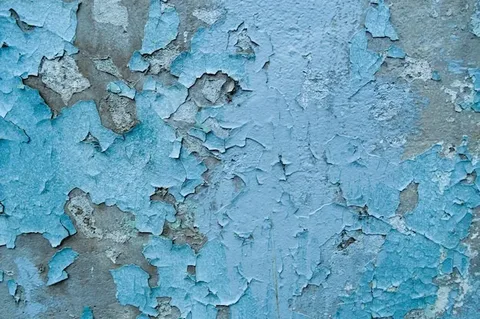
This is surprisingly common. Standard exterior masonry paint is not a waterproofing membrane. It provides limited water-repellent properties but will not prevent water ingress through cracks or under hydrostatic pressure. Using paint where a membrane is required is a short-term fix that fails within one or two rainy seasons.
Not Testing Before Tiling
After applying a waterproofing membrane, the correct practice before laying any tiles is to flood-test the membrane — filling the tiled area with water to a minimum depth and leaving it for 24–48 hours to check for any passage of water through the membrane or its junctions. This test, which costs nothing but time, identifies failures before they are buried under tiles. Many contractors in Dubai skip this step. Insist on it.
Frequently Asked Questions: Waterproofing in Dubai
Q: How long does bathroom waterproofing last in Dubai?
A correctly applied bathroom waterproofing membrane in Dubai should last 10–15 years under normal conditions. In practice, the most common failure points are not the membrane itself but the silicone seals and grout around fittings, which need inspection and maintenance every 3–5 years. When silicone seals around showers, baths, and floor drains deteriorate, water bypasses the membrane entirely regardless of the membrane’s condition. Annual inspection of these sealant lines is the most cost-effective waterproofing maintenance strategy in a Dubai bathroom.
Q: How do I know if my bathroom waterproofing has failed?
Early signs include: hollow-sounding tiles when tapped (indicating the adhesive beneath has failed due to moisture), tiles lifting or cracking at junctions, damp or darkened grout that does not dry, a persistent musty smell in the bathroom, and — most definitively — water staining or paint failure on the ceiling or walls of the room below the bathroom. If any of these signs are present, a professional moisture assessment is the right first step.
Q: Can waterproofing be done without removing tiles?
For surface sealing (refreshing grout, replacing silicone seals, applying tile sealers) — yes. For repairing a failed waterproofing membrane — no. Membrane repair requires access to the substrate beneath the tiles. There are no products that can reliably restore a failed membrane from the surface with tiles in place.
Q: Who is responsible for waterproofing repairs in a Dubai apartment — the owner or the building management?
This depends on the location of the failure. Waterproofing within your apartment — bathroom floors, shower enclosures, your balcony — is the apartment owner’s responsibility to maintain. Waterproofing that is part of the building structure — the roof membrane, the building facade, common area podium decks — is typically the building management’s or developer’s responsibility. If water is entering your apartment from outside the unit boundary or from a common structural element, document it and raise it formally with the building management company.
Q: How long does waterproofing take to cure before tiling?
Curing times vary by product. Cementitious waterproofing typically requires 24–48 hours before tiling. Polyurethane liquid membranes typically need 24–72 hours depending on temperature and humidity — in Dubai’s summer heat, some liquid membranes cure faster but application must be done in the cooler early morning. Torch-on bitumen membranes can be tiled over within 24 hours. Your waterproofing contractor should provide the specific curing requirement for the product they use, and this timing should be built into the renovation schedule — not cut short to save time.
Q: What is the best way to waterproof a Dubai balcony?
The most durable approach for a Dubai residential balcony is a two-coat polyurethane liquid membrane, applied to clean prepared concrete, with careful detailing at the perimeter upstand and drainage point. For balconies where the membrane will be exposed (no tile overlay), a UV-stable topcoat or UV-resistant membrane is essential. For tiled balconies, a standard polyurethane or cementitious slurry system beneath the tile bed performs well. The key in Dubai is ensuring the membrane is flexible enough to accommodate thermal movement without cracking at the joints and perimeter.
How Green Grove Maintenance Handles Waterproofing in Dubai
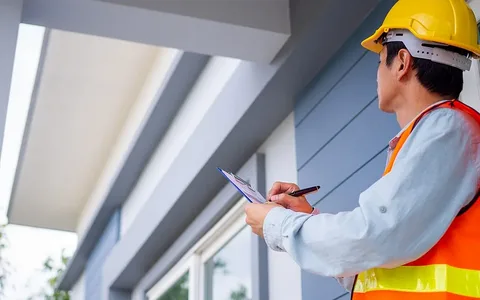
Waterproofing work done correctly is invisible. Done incorrectly, it is expensive. At Green Grove Maintenance, our waterproofing assessments begin with identifying whether there is an active moisture problem, where it is originating, and which repair approach — surface maintenance or membrane replacement — is appropriate.
We do not advise strip-out and full membrane replacement if surface maintenance can genuinely solve the problem. And we do not recommend surface treatments where membrane failure requires a full repair — because we know which solution actually lasts.
For new bathroom renovations, we carry out waterproofing as part of the complete renovation sequence — substrate preparation, membrane application, flood testing, then tiling — in the correct order with the correct products.
For ongoing property maintenance, we include waterproofing condition checks as part of our annual maintenance contract inspections, because the most cost-effective waterproofing is the kind where deterioration is identified early and addressed before water gets in.
📞 Call or WhatsApp: +971 52 688 4258 🌐 greengrovemaintenance.com/booking 📍 Salsbeel Building, Office 104, Al Muteena Street, Deira, Dubai