Dubai does not get a lot of rain. Most of the year the weather is dry, hot, and predictable — which is exactly what makes those sudden, heavy downpours so destructive. When rain does arrive in Dubai, it often comes fast and hard, and homes that were never really designed to handle large amounts of water take the hit quietly. Walls absorb moisture, paint starts to lift, cracks appear in places that looked perfectly fine just days before.
Most people clean up after the rain, notice everything looks dry again, and move on. What they do not realize is that a lot of the damage has already started working its way through the walls — and it will show up later when it is harder and more expensive to deal with.
If you have been wondering whether your walls need attention after a recent rainfall, this guide will help you understand exactly what rain does to your home, what signs to watch for, and when it is time to bring in professional painting and renovation services in Dubai.
How Rain Damages Your Home Walls
Water Seepage and Damp Walls
Rain does not need a big crack to get inside. Even the tiniest gap in a wall surface, a poorly sealed window frame, or a worn-out exterior coating is enough for water to start seeping in. Once moisture gets into the wall material, it spreads. It moves through concrete, plaster, and brick far more quickly than most people expect.
The result is damp walls that never quite dry out properly. You might press your hand against the wall and feel a slight coolness even on a warm day. In some cases there will be visible wet patches. In others, the wall will look completely normal from the outside while moisture damage builds up inside. Damp walls in Dubai are a serious issue because the warm climate creates the perfect environment for that trapped moisture to cause ongoing structural harm and mold growth.
Paint Peeling and Bubbling
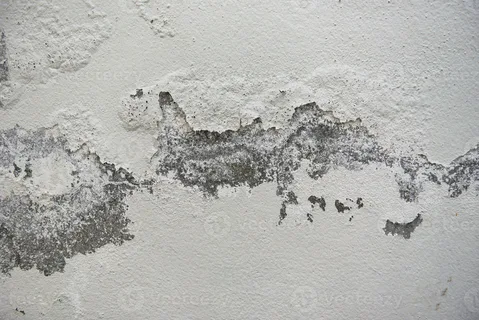
This is usually the first visible sign that rain has gotten into your walls. The paint starts lifting away from the surface — sometimes in small bubbles, sometimes in larger sheets that peel off completely. What is happening underneath is that moisture has broken the bond between the paint and the wall. The water has nowhere to go, so it pushes upward and the paint gives way.
Wall bubbling paint is not just an eyesore. It is a clear signal that the wall has absorbed water and that the surface is no longer protected. Every time it rains again, more moisture gets in through those exposed patches, and the damage compounds. Painting over bubbling paint without treating the moisture underneath will only last until the next rainfall — maybe not even that long.
Wall Cracks and Structural Damage
Rain weakens walls over time in a way that goes beyond just the surface. When water repeatedly enters and dries out inside a wall, it causes the material to expand and contract. Over months and years — or even after a single very heavy rainfall — this cycle creates visible cracking.
Some cracks are purely surface level and relatively easy to fix. Others go deeper and point to more serious structural damage, especially if you are seeing them appear along the base of walls, around window frames, or in corner joints where walls meet. Wall cracks after rain should never be dismissed as just cosmetic. A crack that looks minor today can become a much bigger structural problem if water keeps finding its way in through the same opening.
Mold and Bad Smell Issues
Mold on walls in Dubai is more common after rain than most homeowners realize. It usually starts in corners, along skirting boards, behind furniture, or on bathroom and kitchen ceilings — anywhere moisture sits without much airflow. The first sign is often the smell rather than visible growth. A stale, musty odor that lingers in a room even after you open the windows is almost always a sign that mold is developing somewhere nearby.
Left untreated, mold spreads fast in Dubai’s warm climate. It damages wall surfaces, causes paint to deteriorate, and creates genuine health risks. Treating mold is not something a coat of paint can solve on its own. The source of the moisture needs to be addressed, the mold professionally removed, and then the surface properly sealed and repainted.
Signs Your Home Needs Painting After Rain
Not every wall that gets wet after rain needs a full renovation. But there are clear signs that at the very least a professional repainting service is needed, and that waiting will only make things worse.
If your paint is visibly peeling, bubbling, or flaking — especially in multiple areas — that is the most obvious sign. Discoloration is another one. Walls that have turned patchy, yellowish, or have brown staining on them have had water running through the surface. Even if they feel dry now, the damage is done and the paint layer is compromised.
Damp spots that appear on walls after rain and then slowly fade are a sign of moisture moving through the wall. This will keep happening until the wall is properly treated and repainted with the right materials. Visible cracks, even small ones, are entry points for future water damage and should be filled and sealed before any repainting is done.
If you are seeing any combination of these signs across your home, it is time to stop waiting and get a professional assessment done.
When Painting Is Enough and When Renovation Is Needed
This is the question most homeowners want answered, and the honest answer is that it depends on how deep the damage goes.
If the rain has affected only the surface layer — meaning the paint has peeled or bubbled but the wall underneath is still solid, dry, and structurally sound — then a professional repainting job with proper surface preparation and waterproof paint is usually enough to restore the wall and protect it going forward.
If the damage goes deeper — the plaster is soft or crumbling, there are significant cracks in the wall structure, or the wall feels damp even days after the rain has stopped — then painting alone will not fix it. The wall needs to be repaired first. That might mean replastering sections, filling structural cracks, treating moisture damage, and in some cases addressing whatever is allowing the water in from outside. Once that work is done, then painting can be completed properly and will actually last.
Water leakage situations — whether from a roof, a pipe, or external seepage — always require the leak to be fixed before any painting or renovation work makes sense. Painting over an active leak is money wasted.
Best Solutions to Protect Your Walls
Waterproof Paint
Switching to waterproof paint for exterior walls and moisture-prone interior areas like bathrooms and kitchens is one of the most effective long-term solutions. Waterproof paint in Dubai is widely available and creates a barrier that resists water penetration far better than standard emulsion. It does cost a little more, but it lasts significantly longer in a climate where humidity and occasional heavy rain are factors.
Crack Filling
Every crack in your wall — no matter how small it looks — is an open invitation for water to enter. Professional crack filling closes those entry points with the right materials so they do not just reopen at the next rainfall. This should always be done before repainting, not after.
Professional Inspection
Before spending money on painting or repairs, a proper inspection tells you exactly what you are dealing with. Professionals can identify hidden moisture, assess the depth of cracks, check for mold behind walls, and recommend the right scope of work. Without an inspection, you risk treating symptoms rather than causes — and the damage comes back.
Why Hire Professional Painting Services in Dubai
There is a reason professional painters in Dubai stay busy even between rain seasons. Wall painting done properly is not just about applying color. It involves surface preparation, moisture treatment, priming, the right choice of paint for the specific wall and climate conditions, and application techniques that make the finish last.
House painting in Dubai done by experienced professionals means the job is done once and done right. The surface is properly prepared, any underlying issues are identified and addressed before the paint goes on, and the materials used are suited to Dubai’s heat, humidity, and occasional heavy rainfall. The result looks better and lasts far longer than a quick DIY repaint over a damaged surface.
For exterior painting in Dubai, where walls take the full force of UV rays, wind, and rain, professional application with the right exterior-grade waterproof paint is especially important. A good exterior paint job is genuinely protective — not just decorative.
Villa painting in Dubai requires attention to both scale and material variety. Large exterior surfaces, varied wall finishes, and the need for consistent color across a big property all require experience and the right equipment. Professional teams handle this efficiently and to a much higher standard than patch repairs done over time.
Conclusion
Rain in Dubai does not happen often, but when it does, it leaves its mark on walls more than most people expect. Peeling paint, damp patches, mold, cracks — these are all signs that your home needs attention. Some situations call for professional repainting. Others require repair work first. The important thing is not to ignore what you are seeing and hope it sorts itself out, because with water damage, it never does.
If your home has been affected by recent rainfall and you are seeing any of the signs covered in this guide, reach out to the team at Green Grove maintenance in Dubai. We offer professional home painting services, wall damage repair, and full renovation solutions across Dubai — and we make sure the work we do actually protects your home for the long term. Get in touch today for a free inspection and quote before the damage has a chance to go any further.
Frequently Asked Questions
Does rain really damage walls in Dubai even if it does not rain often? Yes, and sometimes more so because of it. Dubai homes are not built with heavy rainfall in mind, so when rain does come — especially the intense downpours the city occasionally gets — walls, roofs, and drainage systems are not always equipped to handle it well. Even a single heavy rainfall can cause significant moisture damage to walls that have not been properly waterproofed.
How do I know if my wall needs repainting or full renovation after rain? If the paint has peeled or bubbled but the wall underneath feels solid and dry, a professional repaint with proper surface preparation is usually enough. If the wall feels soft or damp, the plaster is crumbling, or there are significant structural cracks, renovation work is needed before any painting is done. A professional inspection will give you a clear answer.
What type of paint is best for walls in Dubai after rain damage? Waterproof or moisture-resistant paint is the best choice for walls that have experienced rain damage or are in areas prone to humidity. For exterior walls, a high-quality exterior-grade waterproof paint provides the strongest protection against future rain and UV exposure. Your painting professional can recommend the right product based on the specific wall type and condition.
Can I paint over mold on my wall? No. Painting over mold does not remove it — it just covers it temporarily. The mold continues to grow underneath and will push through the new paint within weeks. Mold needs to be professionally treated and fully removed first, the moisture source addressed, and then the wall sealed and repainted properly.
How often should I repaint my home in Dubai? For interior walls in good condition, repainting every four to five years is a reasonable schedule. Exterior walls exposed to sun, heat, and rain typically need attention every two to three years. After any significant rainfall that causes visible damage, repainting should be done as soon as the underlying issues are repaired — regardless of how recently the walls were last painted.