Here is a situation most Dubai homeowners know all too well. You move into your new villa, everything looks perfect, and then six months later a damp patch appears on the kitchen wall. The plumber arrives, opens up a section of wall, and tells you the pipes are already showing signs of wear. The fix is not cheap. And the frustrating part? It was entirely preventable.
The pipes running inside your walls are not something most people think about — until something goes wrong. But the plumbing material used in your home directly affects your water quality, your energy bills, how often things break down, and how expensive those breakdowns are when they happen. In Dubai especially, where the summer heat is brutal, the water is heavily mineralised, and the humidity near the coast never fully lets up, the choice of plumbing material matters more than in almost any other city in the world.
This guide breaks down every pipe type used in Dubai homes — what each one is good for, what it costs, and where it falls short — plus a clear, practical section on water leakage detection so you know exactly what to watch for and what to do when you spot it.
Why Dubai Is Harder on Plumbing Than Most Places
Before we get into specific materials, it helps to understand why Dubai creates such demanding conditions for plumbing systems in the first place.
The temperature inside wall cavities during a Dubai summer can reach 60°C or above. Most pipe materials that perform perfectly well in Europe or North America start behaving differently at those temperatures — expanding, softening, or degrading at joints. Add to that Dubai’s hard water, which is among the most mineral-rich in the region and causes limescale to build up inside pipes far faster than in soft-water cities. Then factor in the coastal humidity of areas like Dubai Marina, Palm Jumeirah, and JBR, which accelerates corrosion in any material that is not specifically resistant to it.
The result is that a plumbing material choice that is perfectly adequate elsewhere can become a source of real problems in a Dubai property within just a few years. Getting this decision right from the start — or upgrading when you renovate — is one of the smartest investments you can make in your home.
Types of Plumbing Material Used in Dubai Homes
Let us go through the main options available, with honest assessments of where each one works best — and where it does not.
1. PVC Pipes — Affordable and Widely Used
If you have ever looked at the plumbing under a sink or in an exposed utility area of a Dubai building, there is a good chance what you saw was PVC. It is everywhere — and for good reason. PVC pipe is lightweight, easy to work with, resistant to corrosion, and genuinely affordable at AED 10 to AED 30 per metre. For cold water supply lines, drainage systems, sewage runs, and garden irrigation across large residential developments, PVC does its job reliably and without fuss.
The one place you should never use standard PVC is on hot water lines. Heat causes the material to soften over time, which weakens joints and can eventually cause them to fail. For anything carrying hot water, you need either CPVC — a heat-rated variant — or one of the pipe types below.
2. PEX Pipes — The Go-To Choice for Modern Dubai Villas
Walk through almost any new villa development built in Dubai in the last ten years and the plumbing inside the walls is almost certainly PEX. Cross-linked polyethylene has quietly become the default choice for good reason — it handles hot and cold water, bends around corners without needing extra fittings, resists the limescale buildup that Dubai’s hard water causes in rigid pipes, and can last up to 50 years when properly installed.
That last point about fittings matters more than it might seem. Every joint in a plumbing system is a potential leak point. PEX’s flexibility means it needs far fewer joints than rigid pipe alternatives, which directly reduces the risk of leaks developing over time. It also works well with underfloor heating and solar water heaters — both common in premium Dubai properties. For the combination of performance, longevity, and value, PEX is hard to beat as a plumbing material for Dubai residential use.
3. Copper Pipes — The Premium Standard for High-Rise Buildings
Copper has been specified in Dubai’s commercial towers and upscale residential projects for decades, and it remains the benchmark for quality in demanding installations. It is naturally antimicrobial, handles high temperatures without complaint, and copes well with the strong water pressure found in multi-storey buildings. For hot water systems running off boilers or solar heaters, copper fittings form permanent watertight seals that genuinely last for decades when installed correctly.
The honest downside is cost. Copper runs AED 50 to AED 150 per metre — a significant premium over PVC or PEX. Dubai’s mineral-rich water also causes gradual corrosion inside copper pipes over many years, which means periodic maintenance is part of the deal if you go this route. For high-end projects where performance is the priority, copper earns its price. For standard residential use, PEX usually offers better value.
4. Stainless Steel Pipes — Built for Coastal Dubai Properties
If your property is in Dubai Marina, Palm Jumeirah, Jumeirah Beach Residence, or any other area where salt air is a daily reality, stainless steel deserves serious consideration. The salty, humid coastal environment that accelerates corrosion in copper and degrades lesser materials simply does not affect stainless steel in the same way. It is a premium plumbing material with a lifespan that can comfortably exceed 50 years, and for coastal properties where long-term durability is the priority, the higher upfront cost genuinely pays for itself over time.
Common Plumbing Fittings and What They Actually Do
A plumbing system is not just pipes. The fittings that connect, redirect, and control the flow of water throughout your home are equally important — and equally capable of causing problems when they are the wrong type or poor quality. Here are the key ones to know:
- Elbow Fittings — These change the direction of a pipe run at either 45 or 90 degrees. You will find them at virtually every corner in your plumbing system.
- Tee Fittings — Used to split one pipe into two directions, for example where a supply line branches into the kitchen and the bathroom.
- Couplings — Join two pipes of the same diameter cleanly and securely. Simple, but essential.
- Reducers — Connect pipes of different sizes without losing pressure. Commonly used where a main supply line meets smaller branch lines.
- Gate Valves and Ball Valves — Control and isolate water flow at critical points in the system. A ball valve on each branch line means you can shut off one area without cutting water to the whole property.
- P-Traps — The curved section of pipe beneath every sink and shower drain. The water sitting in the curve acts as a seal that blocks sewer gases from rising back up into your home.
One important note: always match your fittings to your pipe material. Mixing incompatible materials without proper transition fittings is one of the most common causes of joint failure and water leaks in Dubai homes. And always specify fittings that carry UAE-recognised certifications such as ESMA or DVGW — standards that confirm the product has been tested for the conditions it will face.
Water Leakage Detection — What Every Dubai Homeowner Needs to Know
Even the best plumbing material installed by the best team will eventually face wear. Pipes age. Joints shift slightly as buildings settle. Pressure spikes stress connections over time. Water leakage detection is not something you worry about only after a flood — it is something you practice quietly, all year round, by knowing what the early warning signs look like.
The reason early detection matters so much in Dubai is the speed at which hidden leaks cause damage. A slow leak inside a gypsum wall in a Dubai apartment can run for weeks before any surface sign appears, because the summer heat evaporates surface moisture quickly. By the time a damp patch is visible, the damage inside the wall is often significant. Catching a leak early — before it becomes visible — is almost always cheaper by a factor of five to ten.
Warning Signs You Should Never Ignore
These are the signals your home sends when something is not right with the plumbing. Any one of them is worth investigating. Two or more together warrant an immediate professional assessment:
- Your DEWA water bill has increased without any change in your usage habits. Even a small hidden leak wastes thousands of litres per month and shows up clearly in the bill before it shows up on your walls.
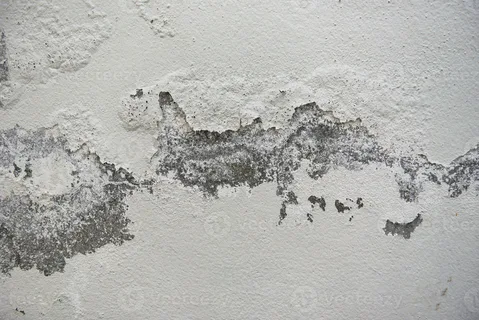
- Damp, discoloured, or bubbling patches on walls or ceilings, especially in areas not directly adjacent to a bathroom or kitchen.
- Paint or wallpaper peeling in a localised area with no obvious cause — moisture migrating through a wall surface does exactly this.
- A persistent musty or mouldy smell in a room that you cannot trace to any visible source.
- Water pressure at taps or showerheads has dropped noticeably — this can indicate a leak in the supply line that is diverting water before it reaches the fixture.
- You can hear water running somewhere in the building when every tap, appliance, and fixture is switched off. This one is perhaps the clearest sign of all.
How Professional Water Leakage Detection Works
When you call a professional for water leakage detection in Dubai, the approach is nothing like what most people imagine. There is no immediate drilling into walls or lifting of floors. Modern leak detection uses technology that locates the problem precisely before any surface is touched — which is what makes it so much more effective and less disruptive than the old guesswork-and-open-up approach.
- Acoustic Leak Detection: Sensitive listening equipment picks up the specific sound signature of pressurised water escaping through a crack or gap in a pipe. Different pipe materials and depths produce recognisably different acoustic patterns, and trained technicians can isolate the leak location to within centimetres even when it is buried under screed or inside a wall cavity.
- Thermal Imaging (Infrared Cameras): Water is a different temperature from the surrounding building material it is leaking into. An infrared camera makes this temperature difference visible as a colour map on screen, revealing moisture that is completely invisible to the naked eye — behind tiles, under floors, inside ceilings — without touching a single surface.
- Pressure Testing: The pipe system is sealed and pressurised. A drop in pressure across a section of the network identifies exactly which branch has a breach, narrowing the search before any other method is deployed.
- Endoscopic Inspection: For internal pipe assessment — checking for corrosion, scale buildup, or cracks from inside — a miniature camera on a flexible cable gives a direct visual of the pipe condition without any excavation.
Together, these methods mean that a professional water leakage detection visit typically identifies the exact leak source accurately and without unnecessary damage to your property. A targeted repair at the confirmed location is then far simpler, faster, and cheaper than exploratory demolition based on guesswork.
How the Right Plumbing Material Reduces Your Leak Risk
There is a direct connection between the plumbing material in your home and how likely you are to face a hidden water leak five or ten years from now. This is not abstract — it is mechanical. PEX pipes need fewer joints, and fewer joints means fewer potential failure points. Copper fittings, when correctly soldered, form bonds that remain watertight for decades. Stainless steel and CPVC resist the internal corrosion that gradually thins pipe walls and eventually creates pinhole leaks.
The practical rules for Dubai: only use plumbing materials that carry ESMA or DVGW certification — these marks confirm the product meets UAE standards for the pressures and temperatures it will face. Never mix incompatible pipe materials without proper transition fittings, as the different expansion rates of dissimilar materials create stress at joints over time. And always use a Dubai Municipality-licensed plumber for installation and repair — unlicensed work is one of the leading causes of early plumbing failure across the emirate, because shortcuts that look fine on the day often fail within a year.
Final Thoughts
The pipes inside your walls are easy to forget about — right up until the moment they remind you they exist. In Dubai, where the environment is tough on every building material and hidden leaks can develop and spread before showing any visible sign, understanding your plumbing is genuinely protective knowledge.
Choose the right plumbing material for each application from the start. Know what the early warning signs of water leakage look like. And when something does not feel right — a bill that does not add up, a smell that will not go away, a wall that feels slightly wrong — act on it early rather than waiting for the damage to become impossible to ignore.
Early action with a professional is always cheaper, faster, and less disruptive than emergency repairs after weeks of hidden damage. Your home is worth the attention.